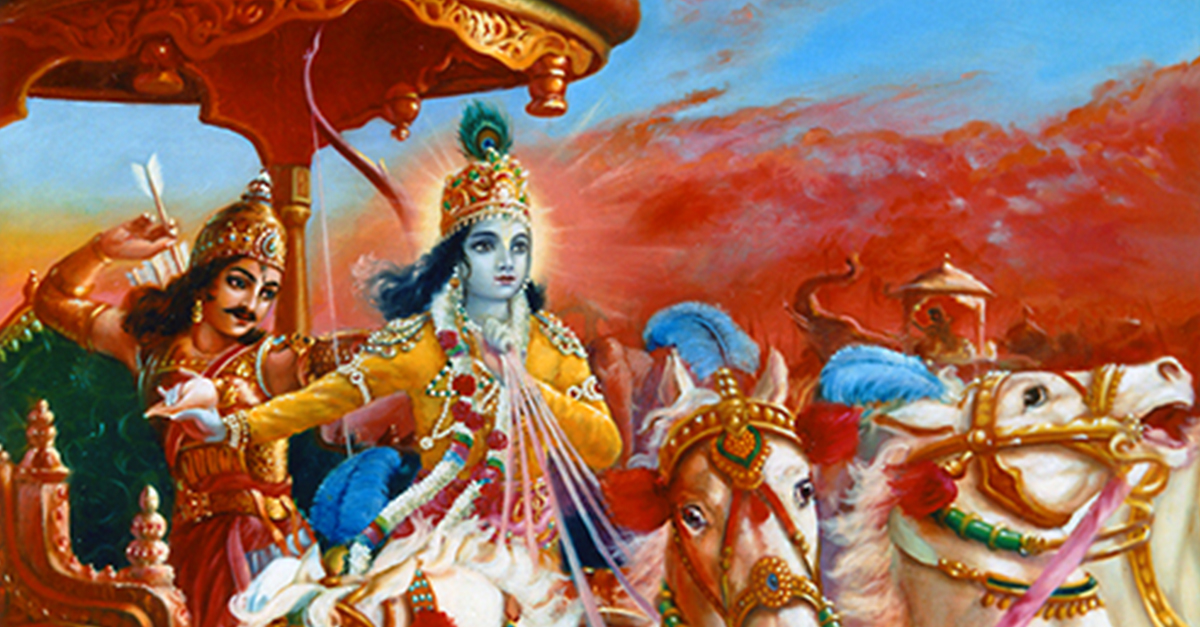
In whose name should one perform the Archana in the temple?

கோவிலில் யார் பெயரில் அர்ச்சனை செய்ய வேண்டும்

இறைவனுக்கு செய்யப்படும் ஆறு வகை உபசாரங்களுள், அர்ச்சனையே முக்கியத்துவம் பெறுவதாக இந்து சமயம் சொல்கிறது. அர்ச்சனை என்னும் வார்த்தை சமஸ்கிருத சொல்லான அர்ச்சா என்ற வார்த்தையில் இருந்தே தோன்றியதாக கூறப்படுகிறது.
அர்ச்சா என்ற வார்த்தையின் பொருள் சிலை . கடவுள் சிலையின் முன்பு மந்திரங்களை ஓதுவதால் அது அர்ச்சனை என்றாகிவிட்டது. அதாவது அர்ச்சனை என்பது வேதம் பயின்ற ஒரு நபர் பக்தர்களுக்காக அவர்களின் வேண்டுதலை கடவுளிடம் எடுத்துரைப்பது ஆகும்.
பொதுவாக கோயிலிற்கு செல்லும் பலர் தங்கள் குடும்பத்தில் உள்ள அனைவரின் பெயரையும் கூறி அர்ச்சனை செய்வர். இன்னும் சிலர் கடவுளின் பெயரில் அர்ச்சனை செய்வர். ஆனால் கடவுளின் பெயரில் எப்போது அர்ச்சனை செய்ய வேண்டும?

நம் பெயரில் எப்போது அர்ச்சனை செய்ய வேண்டும்? என்பது குறித்து முன்னோர்கள் கூறுவதாவது...
கடவுளை மகிழ்விக்க மந்திரங்களை ஓதி... அந்த சமயத்தில் நாம் அவரை மனதில் நிலை நிறுத்தி நம்முடைய குறைகளை அவரிடம் கூறுவதும், அவர் செய்த அனைத்திற்கும் நன்றி தெரிவிப்பதும் தானே அர்ச்சனை செய்வதன் தாத்பரியம்.
நாம் சில வேண்டுதல்களோடு கோயிலிற்கு செல்லும் சமயங்களில் நமது பெயரில் அர்ச்சனை செய்து அவரிடம் மன்றாடி வேண்டிக்கொள்வது தான் முறை. அதுவே நமது வேண்டுதல்கள் நிறைவேறிய சமயத்தில் கடவுளின் பெயரில் அர்ச்சனை செய்து அவருக்கு நன்றி தெரிவிக்க வேண்டும்..
 
I am going to be radical. Why do Archna by giving your or any other name? I used to remember the Name, star, Rasi, etc. of everyone in my family. Then I realized it is for the assembled audience and not for GOD. I stopped doing it that way. Then I found that the priest will not do it for widows. That angered me even more. So, I put my money in the Hundi and do my namaskars. If forced to do Archana. I say to do it in the name of GOD.

I hope GOD knows me.
 
The concept of Archana is as follows:

The name, Gothram etc., that are given are used as preamble prior to the Archana, indicating that this(these) is (are) the people who are born in a specific Nakshatra, Gothram and has the name are doing the pooja through the priest at the temple, and the priest recites the mantra on their behalf to complete the Archana. Now, doing it in the name of God makes sense if and only if the person wholly feels that he/she is fully merged with the Almighty (that they see themselves as the Paramathma, like what Arjuna saw himself in the Viswarupa during Mahabharata war. If not, it is best to identify themselves as a practitioner who is trying to get to that state, by reciting all personal details.

For Mr. Prasad, if the priest is not willing to do for some people (like widows) et al., there is no reason to get angry, and that is his choice. Find a different priest and if that is not possible, then continue with your practice of doing Namaskars and move on.
 
In my opinion, the Practice of doing Archana in the name of an individual is relatively new. This practice is local to the southern states. In North India, this practice did not exist. There is no Vadik sanctity for this practice.
This has got something to do with the Caste system. It was basically done to make the lower caste people bad. Just as making the men bare-chested to see the poonal.
In Andhra, they have a clever practice: if someone does not know the gotheram, the priest will fill in the blank with Naga, Siva, or some other name. As the priest reads the same mantra with Name, Gotheram, Nakshtram, and Rasi, which are blanks in his chant. I do not believe GOD expects an introduction, like a King does.

Chapter 9: The Most Confidential Knowledge​

TEXT 26
patram puspam phalam toyam
yo me bhaktya prayacchati
tad aham bhakty-upahrtam
asnami prayatatmanah
SYNONYMS
patram—a leaf; puspam—a flower; phalam—a fruit; toyam—water; yah—whoever; me—unto Me; bhaktya—with devotion; prayacchati—offers; tat—that; aham—I; bhakti-upahrtam—offered in devotion; asnami—accept; prayata-atmanah—of one in pure consciousness.
TRANSLATION
If one offers Me with love and devotion a leaf, a flower, a fruit, or water, I will accept it.


There is no need for announcements.
 
In my opinion, the Practice of doing Archana in the name of an individual is relatively new. This practice is local to the southern states. In North India, this practice did not exist. There is no Vadik sanctity for this practice.
This has got something to do with the Caste system. It was basically done to make the lower caste people bad. Just as making the men bare-chested to see the poonal.
In Andhra, they have a clever practice: if someone does not know the gotheram, the priest will fill in the blank with Naga, Siva, or some other name. As the priest reads the same mantra with Name, Gotheram, Nakshtram, and Rasi, which are blanks in his chant. I do not believe GOD expects an introduction, like a King does.

Chapter 9: The Most Confidential Knowledge​

TEXT 26
patram puspam phalam toyam
yo me bhaktya prayacchati
tad aham bhakty-upahrtam
asnami prayatatmanah
SYNONYMS
patram—a leaf; puspam—a flower; phalam—a fruit; toyam—water; yah—whoever; me—unto Me; bhaktya—with devotion; prayacchati—offers; tat—that; aham—I; bhakti-upahrtam—offered in devotion; asnami—accept; prayata-atmanah—of one in pure consciousness.
TRANSLATION
If one offers Me with love and devotion a leaf, a flower, a fruit, or water, I will accept it.


There is no need for announcements.
Well, I politely disagree with most of this opinion. If one wants to look into history, the concept of temples did not exist long ago. It is a tradition that dates only about 2,500 years or so. Prior to that, people installed vigrahas in their own abode and prayed there. Furthermore, the north Indian tradition is mauled and altered due to constant invasions and rulers of north india. One of the significant one that you see even today is that people who visit the temple directly enter into Garbhagriha, because people were afraid/prohibited to go to Hindu temples and if they did they offered whatever prayers they could do silently by themselves. However, the tradition of doing prayers through priest (acharya mukhena) remained in south. This is not to make lower caste people look bad, but to offer a service that those who wanted.
This is not about caste as you seem to project it. It is about everyone's wish to do the poojas in a formal way, if they are not trained to do so. The political parties of Tamil Nadu have clearly twisted the facts to lie and penalize a group of people for their own benefits so that they can benefit (Please read the origins and motives of Justice Party, which is the parent of current political parties). Anyone who cries that casteism is the reason for anything is simply "crying wolf". Brahmins were bare bodies because they were supposed to live an ascetic life, not because someone wants to humiliate them.
Introduction is not announcing oneself to God, like king, but it is the polite way of offering oneself to the God, who is omnipresent. It is the politeness and should not be construed as God demands those. It is similar to saying "Abhivadhaye" to their own parents when doing Namaskarams. It is not about announcements, but it is about politeness.
And finally, it is true that God is happy with anything that is offered in devotion. I can ask the question in a similar way that is asked in here, why does God need anything, be it a leaf, a flower, fruit or water? What doesn't he/she/it have that or what? The meaning is all about politeness -- acceptance and Prostration in front of the almighty. That is all. Even a thought of the almighty in sincerity is good, if one can focus.
It is a bit disheartening to see the false narratives of the political parties embraced and explained here.
 
I asked copoilet to help.
How some temples are modernizing this praactice.
Modernizing temple rituals, such as Archana—especially the parts that feel caste-bound or exclusionary—isn’t about abandoning tradition. It’s about reinterpreting it with inclusivity, accessibility, and spiritual relevance. Here's how that’s already happening and how it can go further:

🛕 1. Inclusive Sankalpam Practices
• Temples now allow people to say “Shubha Gotram” (auspicious lineage) if they don’t know or don’t have a gotram.
• Some priests offer “Universal Sankalpam” where only the name and intent are mentioned—no astrology or lineage required.
• Converts and interfaith families are welcomed with simplified rituals that focus on devotion over identity.

📱 2. Digital Integration
• Apps and temple websites let devotees pre-register for pujas using just their name and prayer intent.
• Astrology-based identifiers like nakshatra and rasi can be auto-filled or skipped entirely.
• Virtual Archana services are offered with customizable options, making it easier for diaspora Hindus to participate.

🧘 3. Focus on Bhakti Over Birth
• Some temples are shifting emphasis from birth-based identity to devotional intent.
• Priests are trained to avoid asking for caste or gotram unless the devotee volunteers it.
• The ritual becomes more about spiritual connection than social categorization.

🗣️ 4. Community Dialogue & Reform
• Progressive temple boards are engaging in open discussions about caste and ritual reform.
• Workshops and talks educate devotees on the symbolic meaning of gotram and nakshatra, helping demystify them.
• Youth groups and interfaith initiatives are helping temples evolve with modern values.

🌍 5. Global Temple Models
• Temples in the U.S., U.K., and Singapore often skip gotram entirely and focus on intent-based pujas.
• These models are influencing Indian temples to adopt more flexible formats, especially in urban areas.
 
Well, I politely disagree with most of this opinion. If one wants to look into history, the concept of temples did not exist long ago. It is a tradition that dates only about 2,500 years or so. Prior to that, people installed vigrahas in their own abode and prayed there. Furthermore, the north Indian tradition is mauled and altered due to constant invasions and rulers of north india. One of the significant one that you see even today is that people who visit the temple directly enter into Garbhagriha, because people were afraid/prohibited to go to Hindu temples and if they did they offered whatever prayers they could do silently by themselves. However, the tradition of doing prayers through priest (acharya mukhena) remained in south. This is not to make lower caste people look bad, but to offer a service that those who wanted.
This is not about caste as you seem to project it. It is about everyone's wish to do the poojas in a formal way, if they are not trained to do so. The political parties of Tamil Nadu have clearly twisted the facts to lie and penalize a group of people for their own benefits so that they can benefit (Please read the origins and motives of Justice Party, which is the parent of current political parties). Anyone who cries that casteism is the reason for anything is simply "crying wolf". Brahmins were bare bodies because they were supposed to live an ascetic life, not because someone wants to humiliate them.
Introduction is not announcing oneself to God, like king, but it is the polite way of offering oneself to the God, who is omnipresent. It is the politeness and should not be construed as God demands those. It is similar to saying "Abhivadhaye" to their own parents when doing Namaskarams. It is not about announcements, but it is about politeness.
And finally, it is true that God is happy with anything that is offered in devotion. I can ask the question in a similar way that is asked in here: why does God need anything, be it a leaf, a flower, fruit or water? What doesn't he/she/it have that or what? The meaning is all about politeness -- acceptance and Prostration in front of the almighty. That is all. Even a thought of the almighty in sincerity is good, if one can focus.
It is a bit disheartening to see the false narratives of the political parties embraced and explained here.
Thanks to you for the detailed discussion. Your opinion is credible, but I have my opinion.
 
Thanks to you for the detailed discussion. Your opinion is credible, but I have my opinion.
Mr. Prasad, so do I, i.e, I am very happy to hear different views and helps either reinforce my logic or destroy the foundation and gives me the opportunity to rethink everything from scratch. I am thankful for all the time that you took to write as well. We don't have to agree, as long as the discussion is productive like this.
Finally, yes there are many ways to reach the same goal, and I have chosen one, and you have one. Nothing wrong with that.
 
Well, I politely disagree with most of this opinion. If one wants to look into history, the concept of temples did not exist long ago. It is a tradition that dates only about 2,500 years or so. Prior to that, people installed vigrahas in their own abode and prayed there. Furthermore, the north Indian tradition is mauled and altered due to constant invasions and rulers of north india. One of the significant one that you see even today is that people who visit the temple directly enter into Garbhagriha, because people were afraid/prohibited to go to Hindu temples and if they did they offered whatever prayers they could do silently by themselves. However, the tradition of doing prayers through priest (acharya mukhena) remained in south. This is not to make lower caste people look bad, but to offer a service that those who wanted.
This is not about caste as you seem to project it. It is about everyone's wish to do the poojas in a formal way, if they are not trained to do so. The political parties of Tamil Nadu have clearly twisted the facts to lie and penalize a group of people for their own benefits so that they can benefit (Please read the origins and motives of Justice Party, which is the parent of current political parties). Anyone who cries that casteism is the reason for anything is simply "crying wolf". Brahmins were bare bodies because they were supposed to live an ascetic life, not because someone wants to humiliate them.
Introduction is not announcing oneself to God, like king, but it is the polite way of offering oneself to the God, who is omnipresent. It is the politeness and should not be construed as God demands those. It is similar to saying "Abhivadhaye" to their own parents when doing Namaskarams. It is not about announcements, but it is about politeness.
And finally, it is true that God is happy with anything that is offered in devotion. I can ask the question in a similar way that is asked in here, why does God need anything, be it a leaf, a flower, fruit or water? What doesn't he/she/it have that or what? The meaning is all about politeness -- acceptance and Prostration in front of the almighty. That is all. Even a thought of the almighty in sincerity is good, if one can focus.
It is a bit disheartening to see the false narratives of the political parties embraced and explained here.
There are many errors in the write up. Since they are numerous, I am only pointing out a glaring statement. One does not say Abhivadaye to one's own parents. Pl note Abhivadeye are not to be performed too parents, sanyasis and gods.
 
There are many errors in the write up. Since they are numerous, I am only pointing out a glaring statement. One does not say Abhivadaye to one's own parents. Pl note Abhivadeye are not to be performed too parents, sanyasis and gods.
Can you elaborate on your comments?
 
Can you elaborate on your comments?


As I have been asked to elaborate, I venture to do so.

Firstly, there is no supporting evidence to say temple worship started 2500 years ago and before that people installed vigrahas in their own abode. The accepted fact is that there was no vighraha worship during vedic period (1500 BC to 600 BC). Vighraha worship and temple construction emerged only in the post-vedic period . The Mauryan period (4-5 century BC) initiated the chiseling of sculpture and it is in Gupta period the construction of numerous Hindu temples were undertaken. That's is from 320 to 550 CE. The golden period of beginning of temple worship is only 1500 to 1700 years old.

Where is the proof for idol worship at home before temples came into existence.? Whereas proof exists for performance of yajna to vedic deities. Manusmriti ordained only pancha maha yajna every day. Not vighraha worship at home which we embraced later on.

In any case antiquity of temple worship is not the topic under discussion. Why link it to archana and archakas?

Secondly, the statement that North Indians enter into garbhagraha due to alien invasion and pray without intervention of archakas. This is far from truth. In almost all siva temples in North, personal worship is the preferred mode without intervention of pundits for thousands of years, whereas in Vishnu temples, archakas do exist in North. They perform pooja, not archana. Archana is a typical south indian tradition similar to our thali-tying ceremony being specific to south Indian marriages. There is no proof to show archana tradition existed in the North. It is at best a guess work.

Thirdly, the statement comparing self introduction before atchana to Abhivadaye to parents is a misnomer. This round argument is fully wrong as Abhivadaye cannot be performed either to parents or God. (Abhivadaye to Mother is allowed only immediately after Brahmopadesam, not afterwards).

Fourthly, it is not correct to say that brahmins are bare chested because of their ascetic life. Almost all Indians including kings were barechested irrespective of caste due to the weather conditions. We all had one lower garments and one more all purpose cloth to protect head from sun during hot days or upper body when it is chill. Caste or asceticism has nothing to do with bare chest. For that matter, even our gods are bare chested. Their upper torso is covered with uttariya and ornaments.

Finally since it is concluded in the write up that even a sincere thought of God is enough in place of archana, it self defeats the premises that ritual archana worship is old and inevitable!
 
Back
Top