

prasad1
Active member
Naavalan: Practicing Hinduism as a Minority
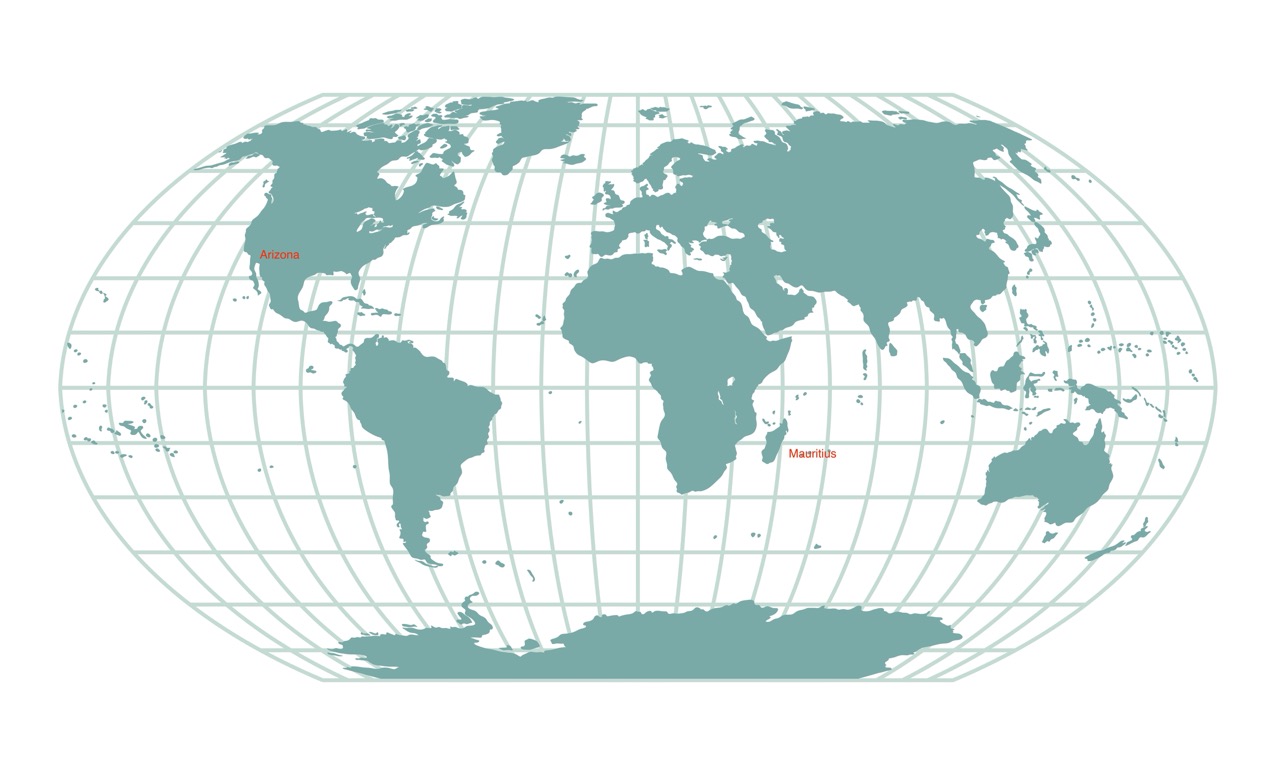
Being Hindu in America can be challenging. As a small minority, we often struggle to maintain our traditions in a predominantly Christian society. This can weaken our connection to our religion, especially when exclusion and stereotyping are common.
It’s not unusual for Hindu kids to be bullied or teased for wearing traditional attire like a kurta, rudraksha beads or applying vibhuti. Sometimes we are mocked with stereotypes—being told we worship cows or have “millions of Gods,” or ridiculed for revering Deities like Ganesha or Hanuman, who have animal forms. Such comments make it harder to feel accepted, and they discourage open expression of our faith.
Conversion is another pressure we face. In interfaith marriages, Hindus often feel pushed to adopt their partner’s religion for the sake of family harmony, especially when raising children. Peer pressure from friends, schools or the workplace can also make Hindus feel that our beliefs are “weird” or “backward,” making us more likely to give them up. And because political and religious leaders in the U.S. are overwhelmingly non-Hindu, many young people feel there’s no place for their spiritual identity in public life.
Kapil: Being Hindu as Part of a Majority
In contrast, I grew up in Mauritius, where Hinduism is practiced freely and widely. I’ve never faced serious religious bullying. Even when I was teased in elementary school, it was never focused on my faith. Here, people of all religions are deeply spiritual, and they respect each other’s practices. Wearing a kurta or applying holy ash is normal and accepted, not a target for jokes or discrimination.
One major difference is the public celebration of religious festivals. In Mauritius, festivals such as Maha Shivaratri and Ganesha Chaturthi are national holidays, alongside Christian and Muslim ones. Out of 15 public holidays each year, many are reserved for religious observances across communities. This promotes not just tolerance, but participation and celebration among faiths. I was honestly shocked when Naavalan told me that Diwali is still not a federal holiday in the U.S., even though a few states such as New York, California and Pennsylvania now recognize it.
In Mauritius, the risk of religious conversion is very low. Because the majority of the population is Hindu and most families are practicing, the religion is passed down strongly from one generation to the next. People are generally open-minded and respectful of others’ beliefs. Even during Pope Francis’ visit in 2019, he praised our nation for peacefully blending religious and racial diversity. That’s something I see reflected every day in school, in shops and in public spaces.
Our Conclusion: Two Worlds, One Faith
Our stories reflect two very different realities. In the United States, Hindus often feel excluded, stereotyped or pressured to assimilate or convert. In Mauritius, Hinduism is part of the national fabric—respected, celebrated and protected.
But both of us share the same desire: to preserve and practice our faith openly, without fear or judgment. We believe that countries everywhere can learn from places like Mauritius, where multiculturalism is not just tolerated, but embraced. Creating an inclusive society means recognizing all traditions, whether they are practiced by 1% of the population or 48%.
For Hindus living as a minority, visibility, support and education can go a long way. And for those in the majority, such as in Mauritius, it’s a reminder of how lucky we are to celebrate freely—and how important it is to protect that freedom for everyone.
 www.hinduismtoday.com
Being Hindu in America can be challenging. As a small minority, we often struggle to maintain our traditions in a predominantly Christian society. This can weaken our connection to our religion, especially when exclusion and stereotyping are common.
It’s not unusual for Hindu kids to be bullied or teased for wearing traditional attire like a kurta, rudraksha beads or applying vibhuti. Sometimes we are mocked with stereotypes—being told we worship cows or have “millions of Gods,” or ridiculed for revering Deities like Ganesha or Hanuman, who have animal forms. Such comments make it harder to feel accepted, and they discourage open expression of our faith.
Conversion is another pressure we face. In interfaith marriages, Hindus often feel pushed to adopt their partner’s religion for the sake of family harmony, especially when raising children. Peer pressure from friends, schools or the workplace can also make Hindus feel that our beliefs are “weird” or “backward,” making us more likely to give them up. And because political and religious leaders in the U.S. are overwhelmingly non-Hindu, many young people feel there’s no place for their spiritual identity in public life.
Kapil: Being Hindu as Part of a Majority
In contrast, I grew up in Mauritius, where Hinduism is practiced freely and widely. I’ve never faced serious religious bullying. Even when I was teased in elementary school, it was never focused on my faith. Here, people of all religions are deeply spiritual, and they respect each other’s practices. Wearing a kurta or applying holy ash is normal and accepted, not a target for jokes or discrimination.
One major difference is the public celebration of religious festivals. In Mauritius, festivals such as Maha Shivaratri and Ganesha Chaturthi are national holidays, alongside Christian and Muslim ones. Out of 15 public holidays each year, many are reserved for religious observances across communities. This promotes not just tolerance, but participation and celebration among faiths. I was honestly shocked when Naavalan told me that Diwali is still not a federal holiday in the U.S., even though a few states such as New York, California and Pennsylvania now recognize it.
In Mauritius, the risk of religious conversion is very low. Because the majority of the population is Hindu and most families are practicing, the religion is passed down strongly from one generation to the next. People are generally open-minded and respectful of others’ beliefs. Even during Pope Francis’ visit in 2019, he praised our nation for peacefully blending religious and racial diversity. That’s something I see reflected every day in school, in shops and in public spaces.
Our Conclusion: Two Worlds, One Faith
Our stories reflect two very different realities. In the United States, Hindus often feel excluded, stereotyped or pressured to assimilate or convert. In Mauritius, Hinduism is part of the national fabric—respected, celebrated and protected.
But both of us share the same desire: to preserve and practice our faith openly, without fear or judgment. We believe that countries everywhere can learn from places like Mauritius, where multiculturalism is not just tolerated, but embraced. Creating an inclusive society means recognizing all traditions, whether they are practiced by 1% of the population or 48%.
For Hindus living as a minority, visibility, support and education can go a long way. And for those in the majority, such as in Mauritius, it’s a reminder of how lucky we are to celebrate freely—and how important it is to protect that freedom for everyone.
Majority or Minority: How It Matters
Two teens share growing up in Mauritius and America as Hindus By Naavalan Erasenthiran and Kapil Nathoo On our recent […]
www.hinduismtoday.com