Namaste,
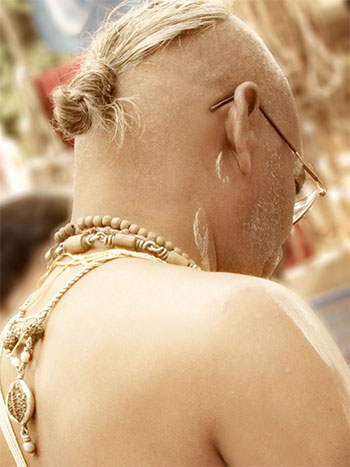
Hope you are all well. I am a tamil iyer and I have been growing my hair long since covid time. I keep my hair tied in a kudumi and I realize it's worth, both spiritually and practically. However, my hair is too long and it is taking too much time for maintenance. I wish to cut my hair short but keep a kudumi in the back of my head.
Is there a process for keeping kudumi? Is there a specific location kudumi needs to be? Are there any differences based on my sampradaya? I am a smartha krishna yajurvedi with family background in Chengottai.
Looking forward to your learned advice.
DhanyavadaH,
GK
Hope you are all well. I am a tamil iyer and I have been growing my hair long since covid time. I keep my hair tied in a kudumi and I realize it's worth, both spiritually and practically. However, my hair is too long and it is taking too much time for maintenance. I wish to cut my hair short but keep a kudumi in the back of my head.
Is there a process for keeping kudumi? Is there a specific location kudumi needs to be? Are there any differences based on my sampradaya? I am a smartha krishna yajurvedi with family background in Chengottai.
Looking forward to your learned advice.
DhanyavadaH,
GK