

P.J.
0
Sri Masaniamman temple
Sri Masaniamman Temple, Anaimalai-Pollachi, Coimbatore district.
+91 - 4253 282 337, 283 173
General Information
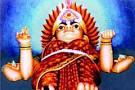
Masani Amman is an aspect of Shakti Devi. She also known as Masani Devi among north Indians. Her temple is located in Anaimalai, Pollachi, Tamil Nadu, India. According to legend, Lord Rama came to Anamalai to pray to the devi before killing the demon Thadagai.Masani will cure any illness if you go around her trident
Situated at a distance of 15 miles from Pollachi, this sacred shrine attracts a large number of devotees, particularly women. There are several uncommon features about this shrine. The temple serves as a welfare government listening to the grievances of the public, as a clinical dispensary remedying the physical ills of people and as a court of justice relieving the distress of men and women.
History of the Temple
The historical background of the temple is as follows: Anaimalai known as Nannur in ancient times was ruled by a chieftain called Nannan. There was a dense grove of mango trees belonging to him. Appointing checkpost officials, he had proclaimed punitive measures against trespassers.
An unfortunate young woman who was bathing in the river Aliyar in the vicinity of the grove stumbled upon a mango fruit coming to her, floating on the water. Unable to resist the temptation, she at once picked it up and bit it. The prying officials reported the news to the ruler instantly.
The hapless woman was produced before the chieftain with her clothes dripping water. She pleaded not guilty and prayed to the Lord to be set free. She explained that she never committed any offence; if at all it was considered an act of stealth, it was more by chance than by choice. But the ruler did not relent and ordered her execution.
Filled with fury and indignation, the kith and kin of the ill- fated woman were in arms against the unscrupulous chieftain and killed him in a battle near Vijayamangalam. Soon a temple was built for the woman, commemorating her martyrdom.
Greatness of the Temple
Devotees record their aspirations, claims and hopes on a piece of paper and submit it to the temple priest to be placed on the trident of the deity. It is firmly believed that the Goddess responds to their prayers within a period of 19 days.
There is a stone image in the temple representing the Goddess of Justice with the body of a serpent. This is popularly known as `Neethi Kal' (stone of justice). People harassed by enemies, merchants meeting with loss in business or men and women who have lost their belongings, take bath, sport holy ashes of the shrine and then grind chillies in the stone grinder of the temple and smear the paste on the so called `Neethi kal'. In the sanctum sanctorum, the sprawling image of Masaniamman lying on her back, measures 15 feet from head to foot. It is a giant sized stucco work painted in flamboyant colours.
What fascinates one is not only the size of the image but also the posture of it. Nowhere else can one see the image of the Goddess in a lying posture. The deity has four hands - two placed on the ground and two raised above. While the top left hands hold a skull and a snake, the two right hands hold a tiny drum and a trident.
In front of the sanctum sanctorum is a niche wherein is enshrined Mahamuniappan. The temple claims both legendary and historical origin. Legend relates that during his wanderings in search of Sita, before setting out to Sri Lanka, Rama stayed in Anaimalai in a graveyard, when he modelled an image of the Goddess in clay and worshipped it. Pleased with his devotion, Masaniamman bestowed upon him Her grace for his triumph over Ravana.
Since the Goddess was reclining in a graveyard, she assumed the appellation of `Shmasani' (The word `Shmasan in Sanskrit denotes the graveyard). With the passage of time, the name Shmasani became Masani.
Prayers
Devotees pray here for solutions for family problems, for losses due to breach of trust and theft, mental worries, safety of children and for reliefs from spells and witchcraft effects.
Location :
There is bus facility from Pollachi to the temple. Special buses are operated during festival days from Pollachi, Coimbatore and Tirupur. Special trains also are arranged from Madurai during these days. The temple is 14 km from Pollachi.
Near By Railway Station :
Pollachi
Near By Airport :
Coimbatore
Please view this you tube Video
https://www.youtube.com/watch?v=crTeiIDB6w8
http://www.anaimalaimasaniamman.tnhrce.in/history.html
http://temple.dinamalar.com/en/new_en.php?id=710
http://www.anaimalaimasaniamman.tnhrce.in/
http://www.coimbatore.com/pollachi/maasaniamman.htm
http://www.thehindu.com/thehindu/2001/06/22/stories/13220796.htm
https://en.wikipedia.org/wiki/Masani_Amman
https://www.google.co.in/search?q=S...alar.com%2Fen%2Fnew_en.php%3Fid%3D710;240;160
Sri Masaniamman Temple, Anaimalai-Pollachi, Coimbatore district.
+91 - 4253 282 337, 283 173
General Information
Masani Amman is an aspect of Shakti Devi. She also known as Masani Devi among north Indians. Her temple is located in Anaimalai, Pollachi, Tamil Nadu, India. According to legend, Lord Rama came to Anamalai to pray to the devi before killing the demon Thadagai.Masani will cure any illness if you go around her trident
Situated at a distance of 15 miles from Pollachi, this sacred shrine attracts a large number of devotees, particularly women. There are several uncommon features about this shrine. The temple serves as a welfare government listening to the grievances of the public, as a clinical dispensary remedying the physical ills of people and as a court of justice relieving the distress of men and women.
History of the Temple
The historical background of the temple is as follows: Anaimalai known as Nannur in ancient times was ruled by a chieftain called Nannan. There was a dense grove of mango trees belonging to him. Appointing checkpost officials, he had proclaimed punitive measures against trespassers.
An unfortunate young woman who was bathing in the river Aliyar in the vicinity of the grove stumbled upon a mango fruit coming to her, floating on the water. Unable to resist the temptation, she at once picked it up and bit it. The prying officials reported the news to the ruler instantly.
The hapless woman was produced before the chieftain with her clothes dripping water. She pleaded not guilty and prayed to the Lord to be set free. She explained that she never committed any offence; if at all it was considered an act of stealth, it was more by chance than by choice. But the ruler did not relent and ordered her execution.
Filled with fury and indignation, the kith and kin of the ill- fated woman were in arms against the unscrupulous chieftain and killed him in a battle near Vijayamangalam. Soon a temple was built for the woman, commemorating her martyrdom.
Greatness of the Temple
Devotees record their aspirations, claims and hopes on a piece of paper and submit it to the temple priest to be placed on the trident of the deity. It is firmly believed that the Goddess responds to their prayers within a period of 19 days.
There is a stone image in the temple representing the Goddess of Justice with the body of a serpent. This is popularly known as `Neethi Kal' (stone of justice). People harassed by enemies, merchants meeting with loss in business or men and women who have lost their belongings, take bath, sport holy ashes of the shrine and then grind chillies in the stone grinder of the temple and smear the paste on the so called `Neethi kal'. In the sanctum sanctorum, the sprawling image of Masaniamman lying on her back, measures 15 feet from head to foot. It is a giant sized stucco work painted in flamboyant colours.
What fascinates one is not only the size of the image but also the posture of it. Nowhere else can one see the image of the Goddess in a lying posture. The deity has four hands - two placed on the ground and two raised above. While the top left hands hold a skull and a snake, the two right hands hold a tiny drum and a trident.
In front of the sanctum sanctorum is a niche wherein is enshrined Mahamuniappan. The temple claims both legendary and historical origin. Legend relates that during his wanderings in search of Sita, before setting out to Sri Lanka, Rama stayed in Anaimalai in a graveyard, when he modelled an image of the Goddess in clay and worshipped it. Pleased with his devotion, Masaniamman bestowed upon him Her grace for his triumph over Ravana.
Since the Goddess was reclining in a graveyard, she assumed the appellation of `Shmasani' (The word `Shmasan in Sanskrit denotes the graveyard). With the passage of time, the name Shmasani became Masani.
Prayers
Devotees pray here for solutions for family problems, for losses due to breach of trust and theft, mental worries, safety of children and for reliefs from spells and witchcraft effects.
Location :
There is bus facility from Pollachi to the temple. Special buses are operated during festival days from Pollachi, Coimbatore and Tirupur. Special trains also are arranged from Madurai during these days. The temple is 14 km from Pollachi.
Near By Railway Station :
Pollachi
Near By Airport :
Coimbatore
Please view this you tube Video
https://www.youtube.com/watch?v=crTeiIDB6w8
http://www.anaimalaimasaniamman.tnhrce.in/history.html
http://temple.dinamalar.com/en/new_en.php?id=710
http://www.anaimalaimasaniamman.tnhrce.in/
http://www.coimbatore.com/pollachi/maasaniamman.htm
http://www.thehindu.com/thehindu/2001/06/22/stories/13220796.htm
https://en.wikipedia.org/wiki/Masani_Amman
https://www.google.co.in/search?q=S...alar.com%2Fen%2Fnew_en.php%3Fid%3D710;240;160

