

prasad1
Active member
It's 1000 CE - the heart of the Middle Ages.
Europe is in flux. The powerful nations we know today - like Norman-ruled England and the fragmented territories that will go on to become France - do not yet exist. Towering Gothic cathedrals have yet to rise. Aside from the distant and prosperous city of Constantinople, few great urban centres dominate the landscape.
Yet that year, on the other side of the globe, an emperor from southern India was preparing to build the world's most colossal temple.
Completed just 10 years later, it was 216ft (66m) tall, assembled from 130,000 tonnes of granite: second only to Egypt's pyramids in height. At its heart was a 12ft tall emblem of the Hindu god Shiva, sheathed in gold encrusted with rubies and pearls.
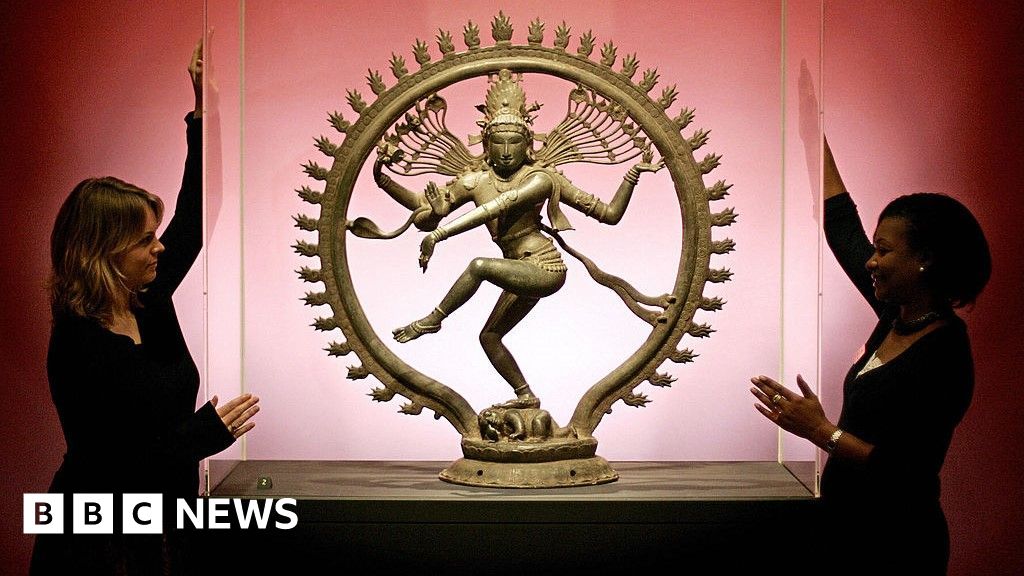
In its lamplit hall were 60 bronze sculptures, adorned with thousands of pearls gathered from the conquered island of Lanka. In its treasuries were several tonnes of gold and silver coins, as well as necklaces, jewels, trumpets and drums torn from defeated kings across India's southern peninsula, making the emperor the richest man of the era.
He was called Raja-Raja, King of Kings, and he belonged to one of the most astonishing dynasties of the medieval world: the Cholas.
His family transformed how the medieval world worked - yet they are largely unknown outside south India.
 www.bbc.com
Europe is in flux. The powerful nations we know today - like Norman-ruled England and the fragmented territories that will go on to become France - do not yet exist. Towering Gothic cathedrals have yet to rise. Aside from the distant and prosperous city of Constantinople, few great urban centres dominate the landscape.
Yet that year, on the other side of the globe, an emperor from southern India was preparing to build the world's most colossal temple.
Completed just 10 years later, it was 216ft (66m) tall, assembled from 130,000 tonnes of granite: second only to Egypt's pyramids in height. At its heart was a 12ft tall emblem of the Hindu god Shiva, sheathed in gold encrusted with rubies and pearls.
In its lamplit hall were 60 bronze sculptures, adorned with thousands of pearls gathered from the conquered island of Lanka. In its treasuries were several tonnes of gold and silver coins, as well as necklaces, jewels, trumpets and drums torn from defeated kings across India's southern peninsula, making the emperor the richest man of the era.
He was called Raja-Raja, King of Kings, and he belonged to one of the most astonishing dynasties of the medieval world: the Cholas.
His family transformed how the medieval world worked - yet they are largely unknown outside south India.
Cholas: How a dynasty in India created a cultural and economic superpower
The Cholas were a powerful south Indian dynasty known for military conquests, grand temples and shaping global trade and culture.
www.bbc.com


