DO YOU AGREE In today’s fast-paced world, many children are growing up disconnected from temple visits and the values of our dharmic way of life. Whether Hindu culture is increasing or decreasing in today's generation . Children's interest to be developed in various a channelized ways to attain clarity and success. Less ratio of children attend the temple visit. Modernisation is not disconnection form divinity.

You are using an out of date browser. It may not display this or other websites correctly.
You should upgrade or use an alternative browser.
You should upgrade or use an alternative browser.
divinity disconnected
- Thread starter BALABHOOMI
- Start date

I wouldnt say its only children that are disconnected, its us adults too.DO YOU AGREE In today’s fast-paced world, many children are growing up disconnected from temple visits and the values of our dharmic way of life. Whether Hindu culture is increasing or decreasing in today's generation . Children's interest to be developed in various a channelized ways to attain clarity and success. Less ratio of children attend the temple visit. Modernisation is not disconnection form divinity.
In fact children still have the future to reconnect but us adults could totally be offline on a permenant basis.
Partly the education system in most countries focusses on academics and not really on developing human values.
When we forget to be human, we disconnect from Dharma.


prasad1
Active member
Can you explain your post? What is the "culture" that is decreasing?DO YOU AGREE In today’s fast-paced world, many children are growing up disconnected from temple visits and the values of our dharmic way of life. Whether Hindu culture is increasing or decreasing in today's generation . Children's interest to be developed in various a channelized ways to attain clarity and success. Less ratio of children attend the temple visit. Modernisation is not disconnection form divinity.
I think you are trying to find an answer to a problem that does not exist. The imaginary problem exists only because your circle of friends is small.
Children of Indian origin are visiting temples more often today.
In foreign countries Temples are thriving and growing.
Several mega Hindu temples are planned for construction outside India in 2025. These projects aim to promote Hindu culture and spirituality globally. Here are some notable initiatives:
1. United States
BAPS Swaminarayan Mandir, New Jersey: A large temple complex is being developed, expected to be one of the largest in the U.S. It will feature intricate carvings and traditional architecture.
2. United Kingdom
Shri Swaminarayan Mandir, London: Expansion plans are underway to enhance the existing temple facilities, including community spaces and educational centers.
3. Canada
Hindu Heritage Centre, Toronto: A new temple is set to be constructed, focusing on community engagement and cultural activities.
4. Australia
Sri Shiva Vishnu Temple, Melbourne: Plans for expansion and new facilities are in progress to accommodate the growing Hindu population.
These temples are not only places of worship but also cultural hubs that aim to foster community and preserve Hindu traditions abroad.
In India after the massive Ayodya Temple the following Temples are being built.
1.Hanuman Ji's Tallest Statue- Rs 1200 Crore
The Hampi-based Hanuman Janmabhoomi Teertha Kshetra Trust is planning to build a 215-metre statue of Lord Hanuman at an estimated cost of Rs 1,200 crore in Kishkindha over the next six years. Kishkindha is believed to be located on the outskirts of Hampi, a UNESCO World Heritage Site.
2.ISKCON Chandrodaya Mandir-Rs 700 crore
Vrindavan Chandrodaya Mandir is a temple under construction at Vrindavan, Mathura. As planned, it will be the tallest religious monument in the world.At its potential cost of Rs 700 crore, it is likely to be one of the most expensive temples in the world. It is expected to open by December 2026.
3.Sri Chaitanya Chandrodaya Mandir-Rs 830 crore
Being built at the cost of approx $100 million (Rs 830 crore), Mayapur Chandrodaya Mandir is a Hindu temple complex under construction dedicated to the Pancha-Tattva deities, Radha Madhava, Nrisimhadeva and Chaitanya Mahaprabhu, located at the town of Mayapur in West Bengal, India. It will be the Largest Religious Monument in the world after completion of construction. It is a temple of great significance to the Hindu community of Vaishnavism. This temple is the main tourist center of Mayapur.
4.Viraat Ramayan Mandir-Rs 500 crore
Being built at the cost of Rs 500 crore, Viraat Ramayan Mandir’s construction work began in June 2023. It is expected to become the “world’s largest Ramayan temple”, located in Bihar’s East Champaran district.
5.Jagannath Dham Sanskriti Kendra-Rs 143 crore
The construction work of Jagannath Temple in the beach town of Digha in West Bengal's Purba Medinipur district is expected to be completed by March 2024. The temple, being constructed at a cost of around ₹143 crore, is likely to open for devotees in April next year, according to reports.
Visitors at every temple are bursting, crowd control is difficult.
I dread going to Temples in India.
So, I fail to understand your post.
Its not about the survey or the data analytics one have to produce. In many discourses , sseethakalyna event, swami ratham events,and many more temples in pune,bangalore,chennai the children attending aarthi time is veryless percentage.Can you explain your post? What is the "culture" that is decreasing?
I think you are trying to find an answer to a problem that does not exist. The imaginary problem exists only because your circle of friends is small.
Children of Indian origin are visiting temples more often today.
In foreign countries Temples are thriving and growing.
Several mega Hindu temples are planned for construction outside India in 2025. These projects aim to promote Hindu culture and spirituality globally. Here are some notable initiatives:
1. United States
BAPS Swaminarayan Mandir, New Jersey: A large temple complex is being developed, expected to be one of the largest in the U.S. It will feature intricate carvings and traditional architecture.
2. United Kingdom
Shri Swaminarayan Mandir, London: Expansion plans are underway to enhance the existing temple facilities, including community spaces and educational centers.
3. Canada
Hindu Heritage Centre, Toronto: A new temple is set to be constructed, focusing on community engagement and cultural activities.
4. Australia
Sri Shiva Vishnu Temple, Melbourne: Plans for expansion and new facilities are in progress to accommodate the growing Hindu population.
These temples are not only places of worship but also cultural hubs that aim to foster community and preserve Hindu traditions abroad.
In India after the massive Ayodya Temple the following Temples are being built.
1.Hanuman Ji's Tallest Statue- Rs 1200 Crore
The Hampi-based Hanuman Janmabhoomi Teertha Kshetra Trust is planning to build a 215-metre statue of Lord Hanuman at an estimated cost of Rs 1,200 crore in Kishkindha over the next six years. Kishkindha is believed to be located on the outskirts of Hampi, a UNESCO World Heritage Site.
2.ISKCON Chandrodaya Mandir-Rs 700 crore
Vrindavan Chandrodaya Mandir is a temple under construction at Vrindavan, Mathura. As planned, it will be the tallest religious monument in the world.At its potential cost of Rs 700 crore, it is likely to be one of the most expensive temples in the world. It is expected to open by December 2026.
3.Sri Chaitanya Chandrodaya Mandir-Rs 830 crore
Being built at the cost of approx $100 million (Rs 830 crore), Mayapur Chandrodaya Mandir is a Hindu temple complex under construction dedicated to the Pancha-Tattva deities, Radha Madhava, Nrisimhadeva and Chaitanya Mahaprabhu, located at the town of Mayapur in West Bengal, India. It will be the Largest Religious Monument in the world after completion of construction. It is a temple of great significance to the Hindu community of Vaishnavism. This temple is the main tourist center of Mayapur.
4.Viraat Ramayan Mandir-Rs 500 crore
Being built at the cost of Rs 500 crore, Viraat Ramayan Mandir’s construction work began in June 2023. It is expected to become the “world’s largest Ramayan temple”, located in Bihar’s East Champaran district.
5.Jagannath Dham Sanskriti Kendra-Rs 143 crore
The construction work of Jagannath Temple in the beach town of Digha in West Bengal's Purba Medinipur district is expected to be completed by March 2024. The temple, being constructed at a cost of around ₹143 crore, is likely to open for devotees in April next year, according to reports.
Visitors at every temple are bursting, crowd control is difficult.
I dread going to Temples in India.
So, I fail to understand your post.
prasad1
Active member
Recent trends indicate an increase in the number of visitors to Hindu temples, particularly in urban areas and during festivals.
Factors Contributing to Increased Visits:
Cultural Events: Major festivals like Diwali and Navratri attract large crowds.
Community Engagement: Temples often host community events, classes, and activities that draw more visitors.
Tourism: Some temples are popular tourist destinations, contributing to higher visitor numbers.
Data Insights:
Reports from various regions show a rise in attendance, especially post-pandemic as people seek spiritual and community connections.
Surveys and studies conducted by religious organizations and local governments indicate a growing interest in religious practices and temple visits.
Regional Variations:
Urban temples generally see higher visitor numbers compared to rural ones.
Certain temples known for their historical significance or unique architecture may experience spikes in tourism.
While specific statistics may vary by location and time, the overall trend points to an increase in temple visitation.
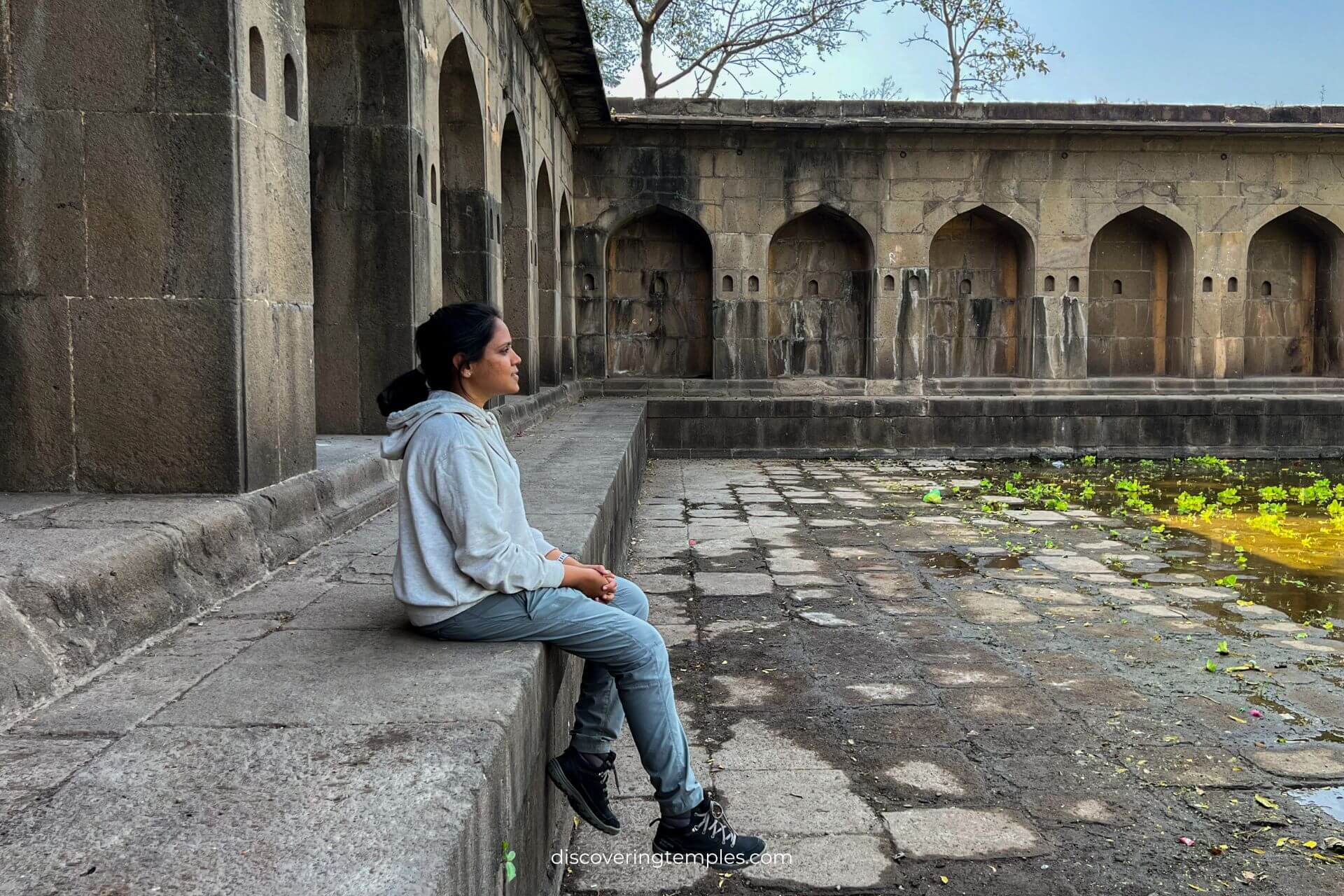
 discoveringtemples.com
Factors Contributing to Increased Visits:
Cultural Events: Major festivals like Diwali and Navratri attract large crowds.
Community Engagement: Temples often host community events, classes, and activities that draw more visitors.
Tourism: Some temples are popular tourist destinations, contributing to higher visitor numbers.
Data Insights:
Reports from various regions show a rise in attendance, especially post-pandemic as people seek spiritual and community connections.
Surveys and studies conducted by religious organizations and local governments indicate a growing interest in religious practices and temple visits.
Regional Variations:
Urban temples generally see higher visitor numbers compared to rural ones.
Certain temples known for their historical significance or unique architecture may experience spikes in tourism.
While specific statistics may vary by location and time, the overall trend points to an increase in temple visitation.
Trend of visiting ancient temples among Gen-Z & Millennials in India | Discovering Temples
Discover why Millennials and Gen Z are embracing ancient temples! Explore the rising trend of temple visits driven by spirituality, mental healing, and social media influence. Dive into how spiritual tourism is transforming modern lifestyles.
discoveringtemples.com

Lotusinsanskrit
Active member
No of temples increased world wide and number of visitors also increased but there also only the earlier generation born between 60 to 80 who have either settled abroad or visiting their wards are visiting. But children visiting only for the sake of events like music/ dance to participate only visiting temples and I doubt whether they even going near to the deity.
For this I can say I have relatives in many of the places including India and their participation is like the above only. At the same time the youngsters who are put in patashalas mostly due to the parents poverty or some even calculated commercially that they will get jobs in temples abroad are visiting as a default.
In TN due to the dravidian ideology influence people started ignoring temples as a divine connect.
For this I can say I have relatives in many of the places including India and their participation is like the above only. At the same time the youngsters who are put in patashalas mostly due to the parents poverty or some even calculated commercially that they will get jobs in temples abroad are visiting as a default.
In TN due to the dravidian ideology influence people started ignoring temples as a divine connect.

tbs
0
hiNo of temples increased world wide and number of visitors also increased but there also only the earlier generation born between 60 to 80 who have either settled abroad or visiting their wards are visiting. But children visiting only for the sake of events like music/ dance to participate only visiting temples and I doubt whether they even going near to the deity.
For this I can say I have relatives in many of the places including India and their participation is like the above only. At the same time the youngsters who are put in patashalas mostly due to the parents poverty or some even calculated commercially that they will get jobs in temples abroad are visiting as a default.
In TN due to the dravidian ideology influence people started ignoring temples as a divine connect.
i agreed....in temples in USA....due to cultural program /food in cafetaria are more criteria for younger
generation...not much in religious activities....but in case of north indian/gujarati kids has more in garba
activities in temples....just info...you are right...when we were patashala for vedic studies....more than 250
students....due to poverty or parents compulsion to become priests commercially.....
prasad1
Active member
Rising Pilgrimage to Hindu Temples: A Renewed Wave of Devotion
In recent times, the number of pilgrims visiting Hindu temples has significantly increased due to a renewed sense of spirituality and devotion among people. Many devotees seek divine blessings for health, prosperity, and well-being, especially after experiencing uncertainties in life. The restoration and grand consecration ceremonies (Kumbabishekam) of ancient temples have also attracted more pilgrims, drawing them to witness the sacred rituals. Social media and digital platforms have played a vital role in spreading awareness about temple festivals, events, and spiritual discourses. Improved infrastructure, better transportation, and facilities provided by temple administrations have made pilgrimages more accessible and comfortable. Additionally, people are increasingly participating in temple visits as part of their cultural identity and traditional values. The serene ambiance of temples offers peace and solace, drawing more devotees seeking spiritual refuge. #SNS institutions #SNS Designthinkers #SNS Designthinking

 www.linkedin.com
Dr.S Muthu Vijaya Pandian (Muthu Sevugarathinam)
Professor & Senior Innovator (CFC) @ SNS Institutions
SNS
Government College of Technology, Coimbatore
Coimbatore, Tamil Nadu, India
In recent times, the number of pilgrims visiting Hindu temples has significantly increased due to a renewed sense of spirituality and devotion among people. Many devotees seek divine blessings for health, prosperity, and well-being, especially after experiencing uncertainties in life. The restoration and grand consecration ceremonies (Kumbabishekam) of ancient temples have also attracted more pilgrims, drawing them to witness the sacred rituals. Social media and digital platforms have played a vital role in spreading awareness about temple festivals, events, and spiritual discourses. Improved infrastructure, better transportation, and facilities provided by temple administrations have made pilgrimages more accessible and comfortable. Additionally, people are increasingly participating in temple visits as part of their cultural identity and traditional values. The serene ambiance of temples offers peace and solace, drawing more devotees seeking spiritual refuge. #SNS institutions #SNS Designthinkers #SNS Designthinking
Rising Pilgrimage to Hindu Temples: A Renewed Wave of Devotion
In recent times, the number of pilgrims visiting Hindu temples has significantly increased due to a renewed sense of spirituality and devotion among people. Many devotees seek divine blessings for health, prosperity, and well-being, especially after experiencing uncertainties in life.
www.linkedin.com
Dr.S Muthu Vijaya Pandian (Muthu Sevugarathinam)
Professor & Senior Innovator (CFC) @ SNS Institutions
SNS
Government College of Technology, Coimbatore
Coimbatore, Tamil Nadu, India
GNANA SUNYAM
Active member
dravidian ideology has had nil impact on growing of hindu religion. many dravidian party mlas and mps themseleves visit temples regularly and lavish money on poojas, rituals etc.No of temples increased world wide and number of visitors also increased but there also only the earlier generation born between 60 to 80 who have either settled abroad or visiting their wards are visiting. But children visiting only for the sake of events like music/ dance to participate only visiting temples and I doubt whether they even going near to the deity.
For this I can say I have relatives in many of the places including India and their participation is like the above only. At the same time the youngsters who are put in patashalas mostly due to the parents poverty or some even calculated commercially that they will get jobs in temples abroad are visiting as a default.
In TN due to the dravidian ideology influence people started ignoring temples as a divine connect.
the wife of tn cm stalin, is a strong theist and ardent devotee of many hindu gods. the pooja room in her house is like a temple.
dravidian movement is a damp squib, a miserable failure, 'navuttuppona pattasa', severed tail of a lizard.
Lotusinsanskrit
Active member
dravidian ideology has had nil impact on growing of hindu religion. many dravidian party mlas and mps themseleves visit temples regularly and lavish money on poojas, rituals etc.
the wife of tn cm stalin, is a strong theist and ardent devotee of many hindu gods. the pooja room in her house is like a temple.
dravidian movement is a damp squib, a miserable failure, 'navuttuppona pattasa', severed tail of a lizard.
Your examples are only with politicians. But it has impact in youngsters in TN atleast certain percentage. Your example is again with older generation please give example of younger generation. Here topic is with younger generation only.
prasad1
Active member
On any topic if you have a strong opinion, no amount of proof is going to convince you that your position is false.
"If you faith the idol is GOD, otherwise it is just a sculpture".
For people of Flat-Earth society, earth is flat, no amount of proof is enough to accept that Earth is a globe.
The attendance Statistics is not age based, and it is difficult to get that kind of detail. Just visit any BAPS Swaminarayan temple, look at the volunteer pool they have. It will be shocking to an average TN organization. Many of these PIO have never been to India, but are ardent followers of Hinduism.
If the original poster had limited his comments to TN Or TB's alone I might not even participate in this thread. But OP painted a broad stroke on a limited data,
"If you faith the idol is GOD, otherwise it is just a sculpture".
For people of Flat-Earth society, earth is flat, no amount of proof is enough to accept that Earth is a globe.
The attendance Statistics is not age based, and it is difficult to get that kind of detail. Just visit any BAPS Swaminarayan temple, look at the volunteer pool they have. It will be shocking to an average TN organization. Many of these PIO have never been to India, but are ardent followers of Hinduism.
If the original poster had limited his comments to TN Or TB's alone I might not even participate in this thread. But OP painted a broad stroke on a limited data,
prasad1
Active member
Temple visitors vary widely in demographics, influenced by factors such as location, cultural significance, and religious practices.
Visitors often include families, young adults, and seniors.
Specific age distributions can vary by temple; some attract more youth due to cultural events or educational programs.
Gender representation can differ; some temples may see a higher number of female visitors, especially during specific rituals or festivals. Many visitors belong to the local community, but temples also attract tourists and pilgrims from diverse backgrounds. Temples in multicultural areas may see a mix of ethnicities and nationalities.
Visitors typically identify with the religion practiced at the temple. Some may visit out of curiosity or for cultural experiences, regardless of their personal beliefs.
Attendance can include a range of socioeconomic backgrounds, influenced by the temple's accessibility and the nature of events held.
Common reasons for visiting include worship, cultural events, community gatherings, and personal reflection.
Data on specific demographics can vary by region and temple, and comprehensive studies may not always be available. Local surveys or temple records can provide more detailed insights.
discoveringtemples.com
Visitors often include families, young adults, and seniors.
Specific age distributions can vary by temple; some attract more youth due to cultural events or educational programs.
Gender representation can differ; some temples may see a higher number of female visitors, especially during specific rituals or festivals. Many visitors belong to the local community, but temples also attract tourists and pilgrims from diverse backgrounds. Temples in multicultural areas may see a mix of ethnicities and nationalities.
Visitors typically identify with the religion practiced at the temple. Some may visit out of curiosity or for cultural experiences, regardless of their personal beliefs.
Attendance can include a range of socioeconomic backgrounds, influenced by the temple's accessibility and the nature of events held.
Common reasons for visiting include worship, cultural events, community gatherings, and personal reflection.
Data on specific demographics can vary by region and temple, and comprehensive studies may not always be available. Local surveys or temple records can provide more detailed insights.
Trend of visiting ancient temples among Gen-Z & Millennials in India | Discovering Temples
Discover why Millennials and Gen Z are embracing ancient temples! Explore the rising trend of temple visits driven by spirituality, mental healing, and social media influence. Dive into how spiritual tourism is transforming modern lifestyles.
discoveringtemples.com
prasad1
Active member
The OP portrays a connection between Divinity and Temple visit.
I think that is false correlation.
Some people never visit a Temple,
Arjuna and Bhima: The True Measure of Devotion

 www.bhagavatam-katha.com
There are some devotees who want to show off.
------------------------------------------------------------
Lord Krishna said to Arjuna, I wanted to teach you that it is not the number of hours, it is not the number of flowers, but it is the power it is the power of dedication that counts.
I think that is false correlation.
Some people never visit a Temple,
Arjuna and Bhima: The True Measure of Devotion
Arjuna and Bhima: The True Measure of Devotion - Madhu Chanda das
There are some devotees who want to show off.
www.bhagavatam-katha.com
There are some devotees who want to show off.
------------------------------------------------------------
Lord Krishna said to Arjuna, I wanted to teach you that it is not the number of hours, it is not the number of flowers, but it is the power it is the power of dedication that counts.
Last edited:
GNANA SUNYAM
Active member
The Art of Living mission of Ravi Shankar is a tremendous hit with those born during or after 90s. Especially the Sudharshan Kriya technique is most popular and youngsters have testified of its numerous benefits in academics, profession, vocation etc. Most of the patrons are youngsters.Your examples are only with politicians. But it has impact in youngsters in TN atleast certain percentage. Your example is again with older generation please give example of younger generation. Here topic is with younger generation only.
The Inner Engineering program of Jaggi Vasudev is yet another hit with youngsters. Most of those who frequent Isha Yoga Centre are youngsters. In spite of numerous controversies surrounding Jaggi, blown out of proportion by dravidians, the Shivratri program draws larger crowd every year, especially youngsters. One dravidian mla who threatened to storm the centre following some controversy had to eat humble pie after his own daughters joined the yoga programs of the foundation.
One's connect with the divine or pursuit of divinity can be expressed, exhibited, manifested in numerous forms. Diligent visits to temples is just one of the forms.
Our ancient scriptures proclaim, 'Deho Devalaya ha' the highest state of divinity.
There are numerous programs happening throughout the year, most of them crowded by youngsters.

Religious revival: Why young people around the world are finding faith again | Lowy Institute
From digital spirituality to gendered divides, faith seems to offer meaning and identity where secular culture has fallen short.
 www.lowyinstitute.org
prasad1
Active member
During an address to the parliament this year, India's Prime Minister Narendra Modi said that the youth are "embracing their traditions, faith, and beliefs with pride, reflecting a strong connection to India's cultural heritage."
He was speaking before the Maha Kumbh Mela, which was held from January to February this year and saw thousands of younger attendees.
Modi's right-wing, Hindu nationalist government has pumped funds into developing and promoting important religious sites such as Ayodhya. The states of Uttar Pradesh and Maharashtra have also announced plans to revamp sites of religious, historical and mythological significance.
With social media playing such an important role in young people’s interest in and engagement with spirituality, some critics say these public platforms make the experience less authentic or performative.
Psychologist Khurana says that while there may be an element of truth to this, that does not make the youth's relationship with religion or spirituality inauthentic.
"Just because a lot of Gen Z communicate via Instagram or the internet and that is their way of community, we can't totally write it off as performative," she said, pointing out that young people have been "brought up around phones and raised by technology."
Yoga, meditation, astrology and even spiritual leaders and speakers using relatable language all appeal to the country's youth.
According to a 2023 survey by OMTV, a spiritual storytelling app, 80% of Indians aged 18 to 30 engage with spiritual or religious content online.
"Gen Z's world is noisier and faster than any before. So, their entry points to spirituality look different. They may not read entire scriptures, but they'll listen to a 60-sec clip of Gita wisdom. They might not sit in a temple for hours, but they'll do a 10-minute guided meditation at night. That doesn't make it less real, just modern," Surya said.
 www.dw.com
He was speaking before the Maha Kumbh Mela, which was held from January to February this year and saw thousands of younger attendees.
Modi's right-wing, Hindu nationalist government has pumped funds into developing and promoting important religious sites such as Ayodhya. The states of Uttar Pradesh and Maharashtra have also announced plans to revamp sites of religious, historical and mythological significance.
With social media playing such an important role in young people’s interest in and engagement with spirituality, some critics say these public platforms make the experience less authentic or performative.
Psychologist Khurana says that while there may be an element of truth to this, that does not make the youth's relationship with religion or spirituality inauthentic.
"Just because a lot of Gen Z communicate via Instagram or the internet and that is their way of community, we can't totally write it off as performative," she said, pointing out that young people have been "brought up around phones and raised by technology."
Yoga, meditation, astrology and even spiritual leaders and speakers using relatable language all appeal to the country's youth.
According to a 2023 survey by OMTV, a spiritual storytelling app, 80% of Indians aged 18 to 30 engage with spiritual or religious content online.
"Gen Z's world is noisier and faster than any before. So, their entry points to spirituality look different. They may not read entire scriptures, but they'll listen to a 60-sec clip of Gita wisdom. They might not sit in a temple for hours, but they'll do a 10-minute guided meditation at night. That doesn't make it less real, just modern," Surya said.
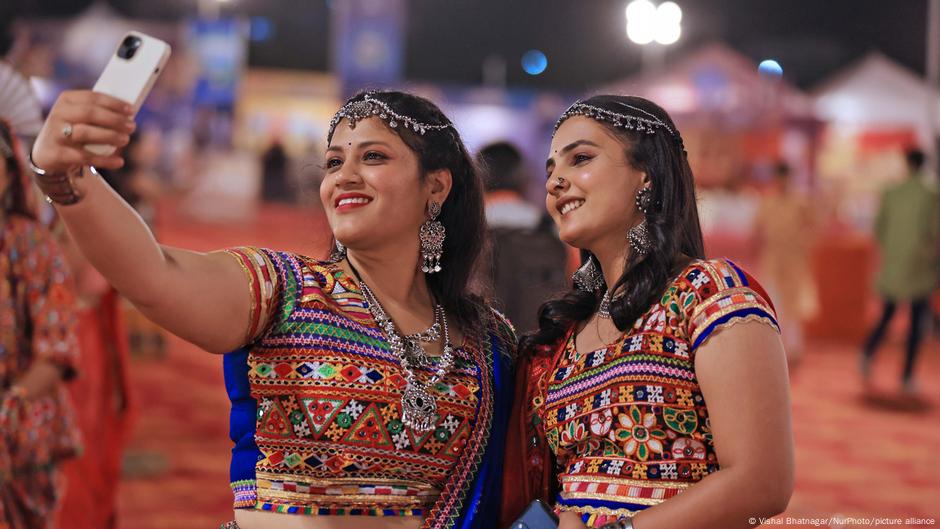
How India's Gen Z is redefining spirituality – DW – 08/02/2025
Young people in India have a huge interest in spirituality and religion, but they are doing it differently than older generations. For many Gen Zers, it is a personalized experience rather than a ritualistic compulsion.
www.dw.com
prasad1
Active member
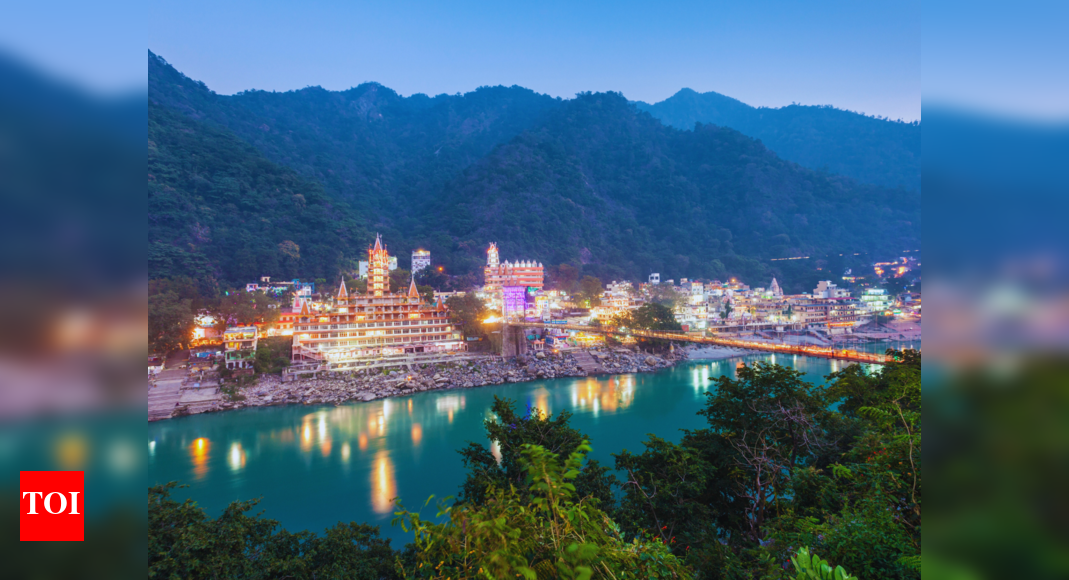
Shrinecations, blending pilgrimage with leisure, are gaining ..
 timesofindia.indiatimes.com
Shrinecations: How Gen Z and Millennials are redefining pilgrimage with style | - Times of India
Shrinecations, blending pilgrimage with leisure, are gaining traction among Gen Z and Millennials, driving spiritual tourism's growth. Destinations like Rishikesh, Bodh Gaya, and Kedarnath offer a mix of spirituality, adventure, and wellness, attracting younger travelers. Social media and travel...
timesofindia.indiatimes.com

