Elections, which are the lifeblood of democracy, reveal their negative side when politicians abandon ethical convictions for the sake of playing to the gallery. Pandering to the various predilections of the electorate ranging from the distribution of cash, clothes or liquor to appealing to their religious/sectarian instincts has been an unfortunate feature of Indian elections.
Tactics of this nature have sometimes proved successful as has been demonstrated by the BJP's use of the divisive Ram temple issue to move from the fringe of national politics to centre-stage.
The Bharatiya Janata Party's claim in the early stages of the temple agitation was that the judiciary had no right to interfere in matters of faith. The party's chief minister in Uttar Pradesh at the time, Kalyan Singh, courted arrest with a proud smile for having defied the Supreme Court's orders on protecting the Babri masjid, which was pulled down by a saffron mob in 1992 to make way for the proposed temple.
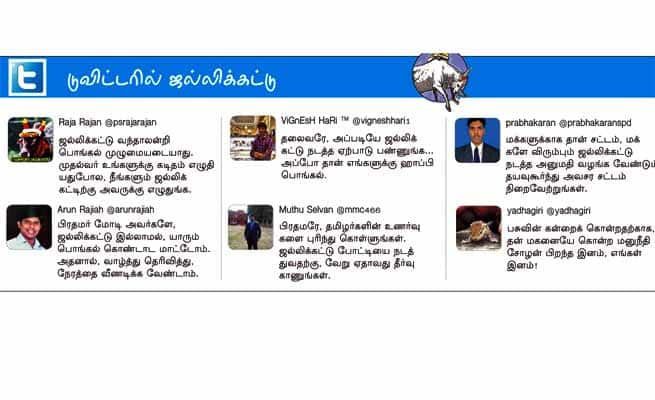
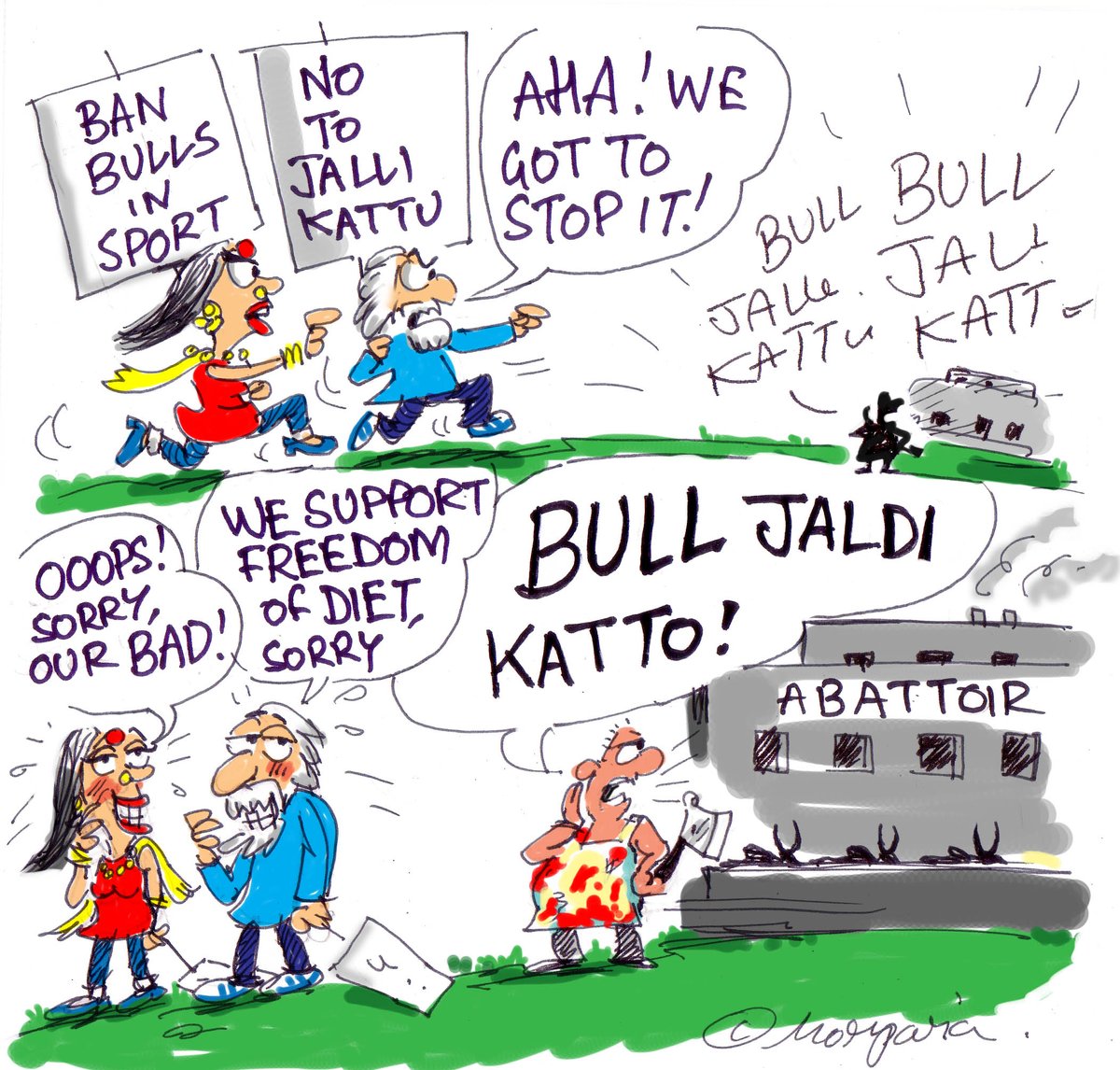
A similar show of defiance can be seen in Tamil Nadu Chief Minister J. Jayalalithaa's call to the centre to promulgate an ordinance to negate the Supreme Court's ban on the jallikattu programme which involves taming bulls.
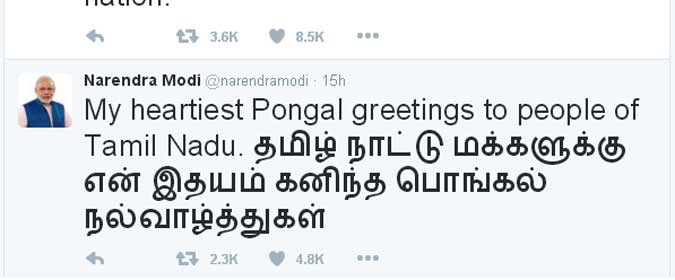
In response to the petitions of animal rights activists, a judicial ban on the practice has been in force for four years. But next year's assembly elections in Tamil Nadu have awakened the state's politicians to the need to protect the "ancient tradition" of jallikattu, which marks the Pongal festival in Tamil Nadu.
http://www.sify.com/news/is-traditi...cians-say-yes-news-columns-qbqkEccgaghhc.html